

Standing Still

A camera can change everything—but only when you stop trying to control everything.
Most photographers begin by chasing. You hunt light, grab at moments, and seek the perfect composition before it disappears. You plan, schedule, and direct. But real growth often begins the moment you release that need.
I discovered this truth while documenting a nature reserve, a landscape I had known my entire life. I arrived overprepared—armed with ideas, expectations, and too-clear images in my head of what I thought the place should look like. But the land refused to follow the script. Colors felt flat. Silence felt heavier than usual. Compositions fell apart. Beauty moved on its own terms, completely indifferent to what I had hoped to make of it.
At first, frustration. Then, a shift. I stopped trying to shape the landscape and began listening to it.
So I let go.
Surrender as Strategy
The word surrender might feel uncomfortable. Artists often believe their value lies in control—in vision, direction, and decisive action. Yet some of the most powerful creative breakthroughs come from loosening your instinct to control.
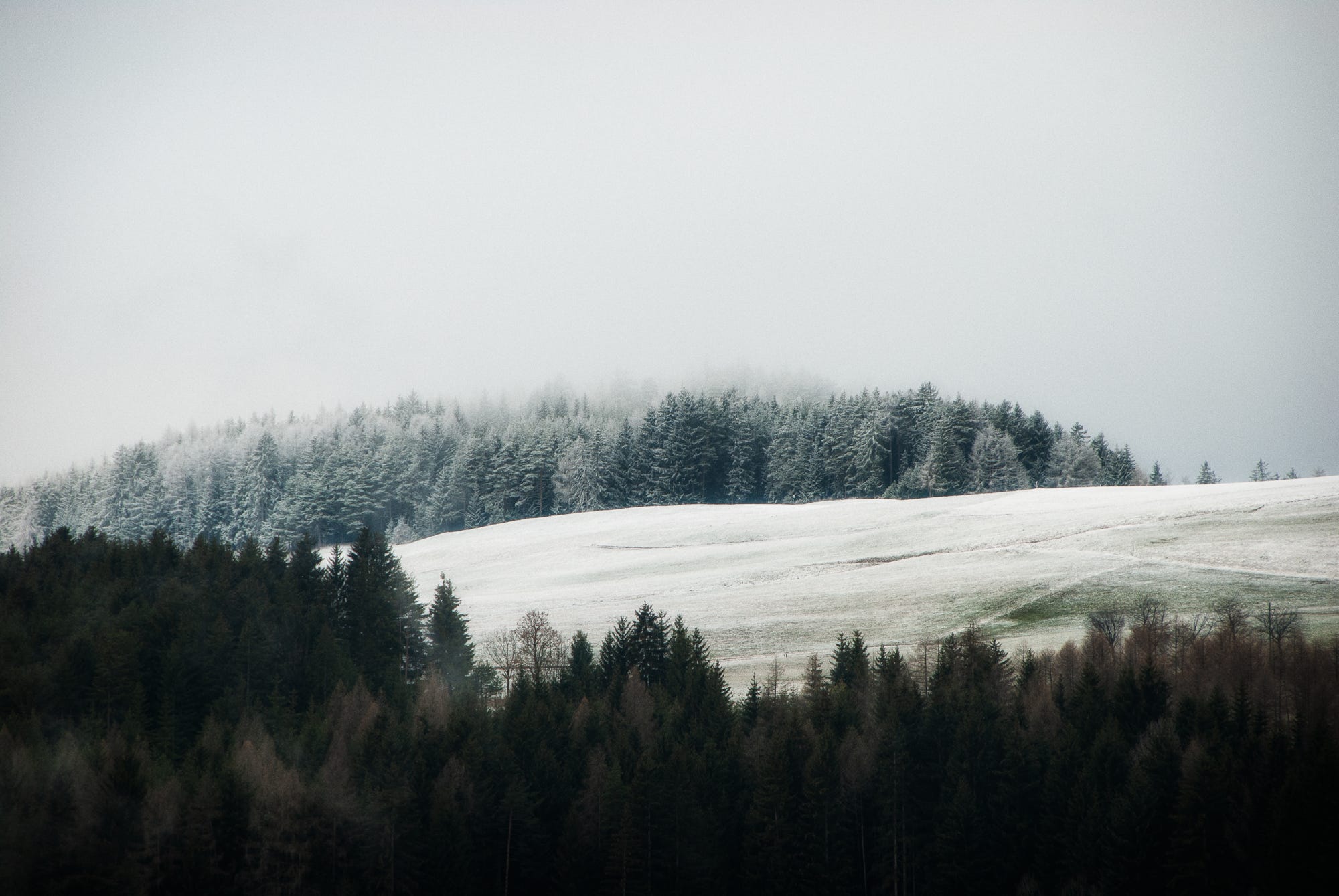
I began to visit without an agenda. Sometimes I walked slowly without raising the camera at all. Other times I lingered in places that didn’t seem photographically promising, letting my senses tune before my instincts did. One morning, I waited for fog that never lifted. Instead of abandoning the effort, I photographed the way the mist swallowed distance—and found something more honest than the frame I’d imagined.
Sometimes what you don’t capture matters as much as what you do. Zen archery teaches a similar principle: the arrow releases itself when the archer stops forcing the shot.
Practical step: Choose a familiar location and visit it five times over two weeks. Each visit, leave your camera in your bag for the first twenty minutes. Just observe. By the fifth visit, aim to create just three images you genuinely feel something about. Notice what changes when you remove the pressure to produce.
The Hidden Curriculum of Familiar Places
You probably have a landscape like this of your own. A street you walk daily. A room where light shifts across the walls. A face you’ve photographed dozens of times.
Familiarity breeds invisibility. The brain, efficient as it is, stops registering what it considers “known.” This is why travel photography often feels easier—novelty forces attention. But novelty is a crutch. The real skill lies in seeing the extraordinary within the ordinary.
I eventually realized I didn’t need to travel far to find inspiration. The forest near my home, the wooden walls of my cabin, the kitchen window—each revealed itself differently depending on mood, weather, or time of day. The familiar wasn’t dull; it was textural, layered with quiet rhythms I had overlooked for years. What I once considered a pause between adventures became the backdrop for my most intentional work.
Practical step: Photograph your home for one week using only one lens. Focus on light—how it enters, how it moves, how it transforms surfaces throughout the day. No reviewing images until the week ends. Treat your living space like a foreign country you’ve never visited.
“Familiarity is not the enemy of creativity—habitual blindness is.”
When you relearn to see places differently, you also relearn to see your images differently.
Imperfection as Language
Technical excellence has its place. But photographs that endure rarely succeed because of sharpness or resolution.
Imperfection communicates feeling. Grain acts like friction. Motion blur carries the physical memory of movement. Overexposed highlights can evoke the overwhelming brightness of real sunlight. Think of a portrait where the subject moves a fraction of a second before the shutter clicks—the softness becomes a trace of breath, not a failure.
I started leaning into this approach—adding grain, embracing softness, letting images breathe. The photographs that stayed with me were never the technically perfect ones. They were the ones that made me remember what the moment felt like. The sound, the weather, the presence of another person. Information fades. Atmosphere remains.
Practical step: Take one image you consider “flawed” and sit with it for ten minutes. Ask yourself what the imperfection communicates. Does the blur suggest movement or uncertainty? Does the grain add tactile quality? Write down three feelings the “mistake” might convey. Sometimes the error is the message.
Once you embrace imperfection in the environment, the next leap is embracing it in people.
From Landscapes to Faces
Many photographers specialize. Landscape artists focus on nature. Portrait photographers concentrate on people. But these boundaries can become prisons.
I spent most of my career avoiding human subjects. Then a project required me to show how people experienced the landscape. Rather than instructing anyone, I simply prepared the space and watched. A small gesture—a hand adjusting a scarf, a glance toward distant trees—often spoke more truth than anything I could direct.
I realized that photographing people wasn’t so different from photographing nature. Both require presence. Both reward patience. Both reveal something true when you let them be. No amount of editing can recreate the authenticity of an unguarded moment. You can only recognize it in the instant, stay with it briefly, and release it.
Practical step: If you typically avoid portraits, photograph one person this week without giving any direction. If you typically avoid landscapes, spend thirty minutes with a single location using only twenty frames. Growth often hides in the genres you resist.
Your Archive as Mirror
Every photograph contains two subjects: what appears in the frame and the person who made the choice to capture it.
When I reviewed my archive, I noticed patterns—recurring distances, colors, and moods. Even when the subjects changed completely, something of myself remained visible in every image: the restless phases, the quiet phases, the periods when I was grasping for something versus the moments where attention felt effortless.
Your archive tells your story—not just where you went, but who you were when you went there. The foggy landscapes, the blurred portraits, the moments of stillness—they reveal your priorities, your habits of noticing, and the emotional weather behind each click of the shutter.
Practical step: Review fifty of your older images in one sitting. Look for patterns you didn’t intentionally create. What subjects appear repeatedly? What moods dominate certain periods? Write down three recurring elements. Your unconscious choices reveal your authentic concerns.
The Rhythm of Creation
Creativity doesn’t live in constant output. It lives in rhythm.
Some periods call for expansion—shooting freely, experimenting, pushing into unfamiliar territory. Others require contraction—quiet phases where you reflect more than you produce, absorbing rather than generating.
Both modes serve the work. The photographers who burn out are often those who believe they must create continuously. The ones who sustain long creative lives understand that pauses aren’t failures. They’re part of the process. Silence isn’t absence—it’s a different form of attention. The space between photographs gives your vision room to develop.
Practical step: Choose three consecutive days this month to go camera-free. When the urge to document feels forced, set the equipment aside. Keep a small notebook instead and write single sentences about what you notice. Return to the camera only when curiosity—not obligation—pulls you back.
“Your archive is the autobiography you didn’t mean to write.”
Being in Time
The world moves fast. Deadlines exist. Some assignments demand precision and control. These realities won’t disappear.
But beneath the rush, a quieter layer remains available. Photography isn’t a way of freezing time. It’s a way of entering it—fully, consciously, without rushing past the moment.
There are moments when the world aligns for a heartbeat—subtle, quiet, unmistakable. They exist everywhere: in distant landscapes, on busy streets, in your own backyard. The location doesn’t create the experience. Your attention does.
A camera can change the way you see the world—but only when you let go of the need to control what you find there.
